The No-Code Movement
Written date
Category
Web Design
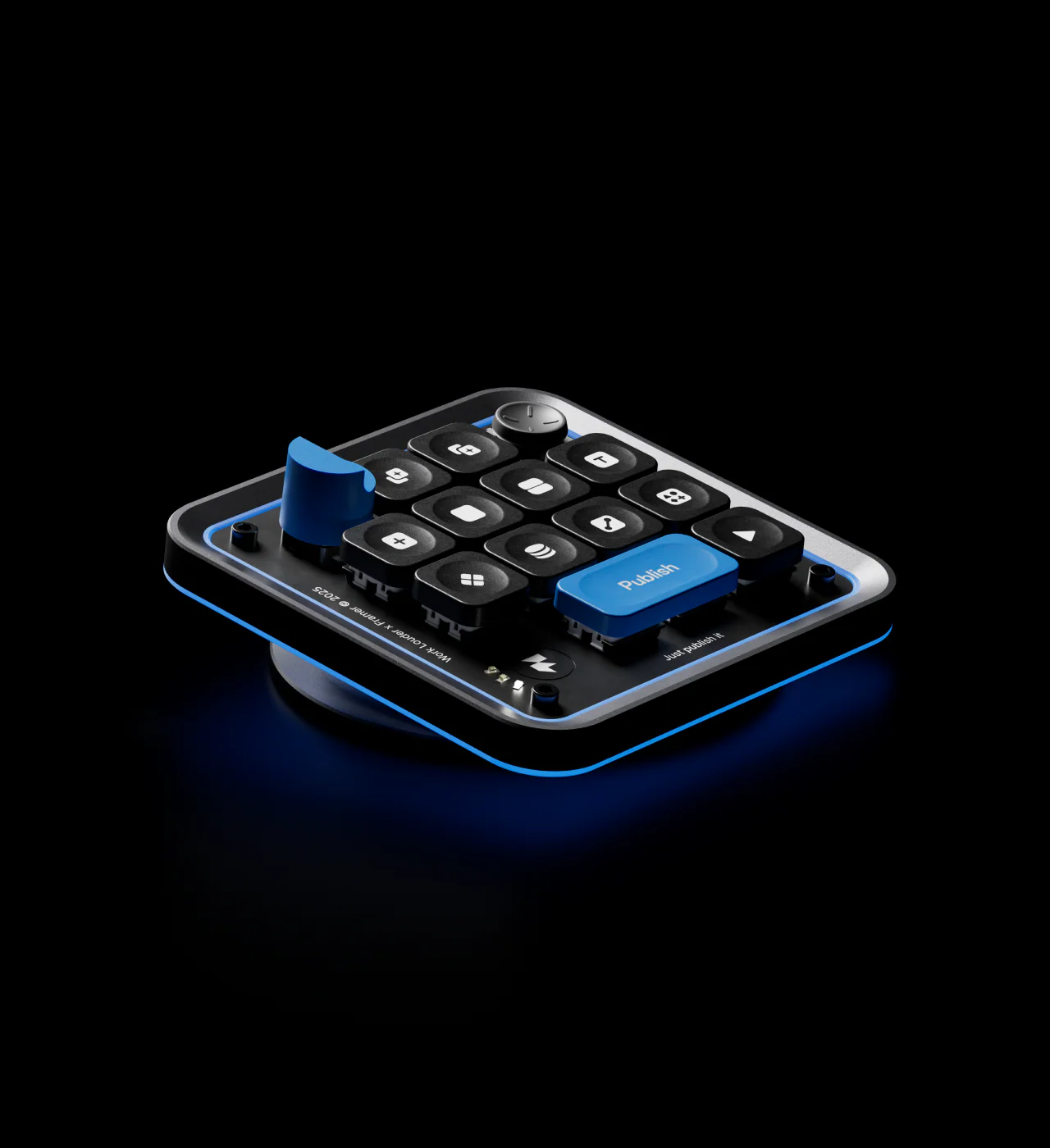
The No-Code Revolution: How Non-Technical People Are Building Digital Products at Scale
No-code platforms are changing who can build software. Designers, entrepreneurs, marketers, and educators are creating websites, apps, and automations without writing a single line of code.
This is not just a trend. It's a fundamental shift in who gets to participate in the digital economy.
1. What is No-Code and How Does It Work?
No-code tools let you build by dragging, dropping, and configuring components instead of writing code. You define:
Layout and structure visually
Logic with simple conditionals ("if X, then Y")
Data with spreadsheets or built-in databases
Integrations with pre-built connectors
The platform generates the code behind the scenes. You focus on the outcome, not the implementation.
2. Who Uses No-Code and Why?
No-code empowers people who don't have coding training:
Designers: Build prototypes and live sites without waiting for developers
Entrepreneurs: Test MVPs before hiring a team or investing heavily
Marketers: Launch landing pages and campaigns in hours
Educators: Create interactive courses and tools for students
Non-profits: Build donation sites and portals without budget for devs
The barrier to building is gone.
3. Popular No-Code Platforms Today
Different tools for different needs:
Framer, Webflow: Build beautiful websites with design control
Bubble, Flutterflow: Create full apps with logic and databases
Airtable, Softr: Turn spreadsheets into apps and portals
Airflow, Zapier: Automate workflows between tools
Glide: Turn data into mobile apps instantly
Each platform has strengths. The right choice depends on your project.
4. Speed vs. Customization: The Trade-Off
No-code is fast. You can ship a website in hours, an app in days.
But for highly custom features, complex APIs, or performance-heavy applications, you may still need code.
The sweet spot: use no-code for 80% of your project, then add custom code for the remaining 20% that matters most.
5. Real Success Stories: No-Code in Action
A designer launched a $50K/month SaaS using Bubble without hiring developers
A marketer built a 10-page campaign site in Framer in 4 hours
A teacher created an interactive quiz app with Glide for 500 students
A non-profit raised $100K using a Softr donation portal
These are not exceptions. They're the new normal.
6. The Learning Curve: How Long to Get Started?
No-code is easier than coding, but still requires learning:
Basic tools: 1–3 days to build simple sites
Intermediate: 1–2 weeks to add logic and integrations
Advanced: 1–3 months to build complex apps
Compared to coding (months to years), this is lightning fast.
7. Limitations and When to Go Beyond No-Code
No-code is powerful, but not infinite:
Custom AI models may require code
High-scale performance needs optimization
Unique APIs might not have connectors
Complex security rules need manual implementation
Know when no-code works and when you need to extend it.
8. The No-Code Economy: Jobs and Opportunities
New roles are emerging:
No-Code Developer: Builds apps and sites for clients
Automation Specialist: Designs workflow systems
No-Code Consultant: Advises companies on tool strategy
Template Creator: Sell pre-built no-code products
The no-code economy is growing.
Highlight: No-code is not about replacing developers. It's about empowering everyone to build, so developers can focus on complex problems that need their expertise.
9. The Future of No-Code
In the next 2–3 years, no-code will:
Integrate AI to generate layouts and copy automatically
Support more complex logic with visual programming
Connect to more APIs and databases seamlessly
Enable mobile app development without code
Become the default choice for startups and small businesses
The barrier will disappear completely.
10. Conclusion: Build Without Barriers
No-code is the closest thing to democracy in tech. Anyone with an idea can build, test, and ship.
This is not just faster development. It's more innovation, more creators, and more solutions to real problems.
The question is not whether to use no-code. It's how fast you can start building before your competitors do.

