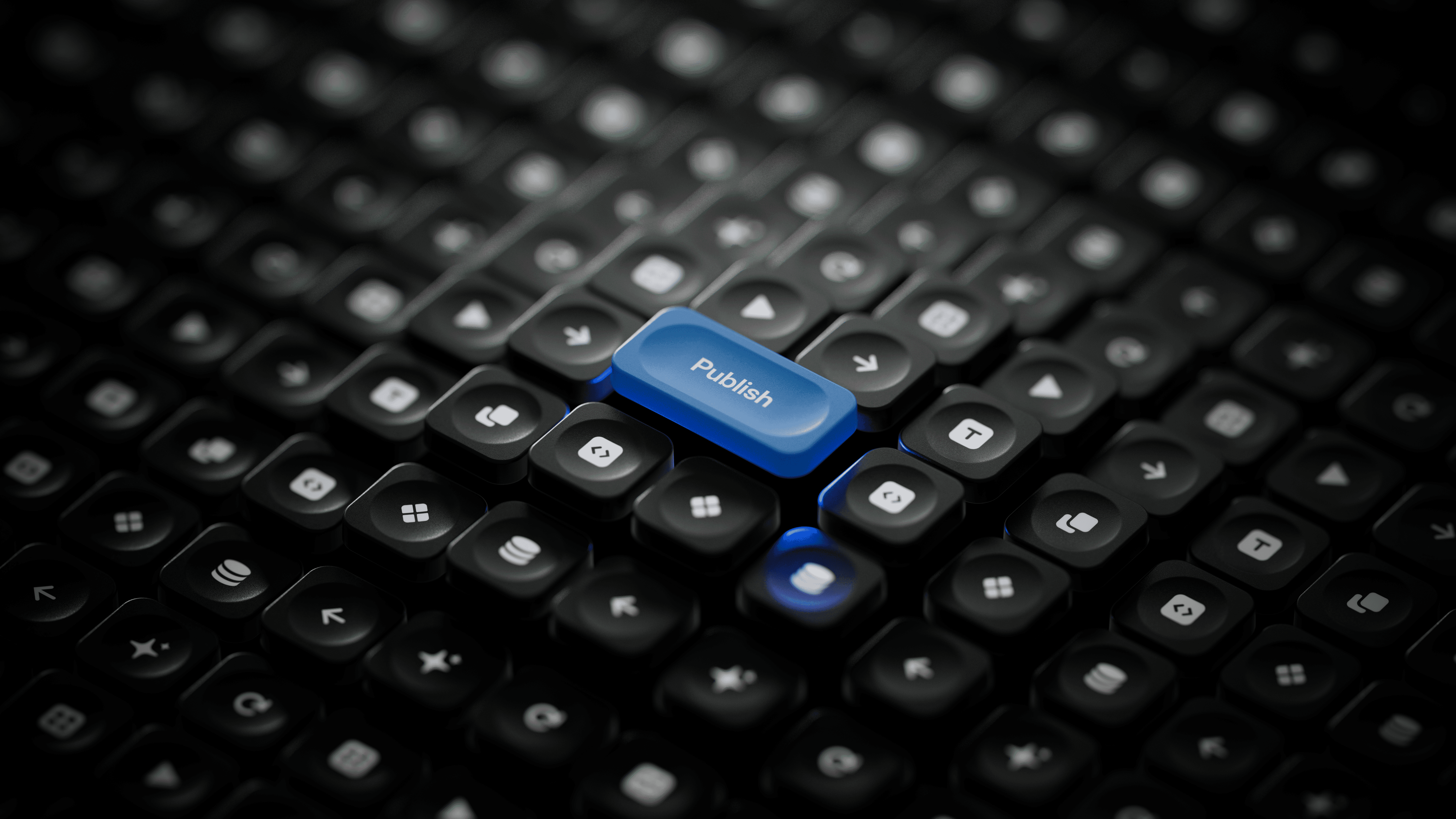
From Code to Co-Pilot
Written date
Category
Web Design

The Co-Pilot Revolution: How AI is Transforming the Developer's Daily Workflow
Code writing is no longer just about typing syntax line by line. It's about guiding intelligent systems that understand context, predict intent, and generate functional code in real time. AI-powered coding assistants have become the new standard for developers who want to build faster, with fewer errors, and with more confidence in every decision.
This deep dive explores how co-pilot tools work, what they can do today, and how developers are adapting their skills to thrive in an AI-assisted environment.
1. What is a Code Co-Pilot and How Does It Work?
A code co-pilot is an AI assistant trained on millions of code repositories, documentation pages, and programming tutorials. It reads what you write, understands your intent, and suggests entire functions, debug solutions, refactor options, and even complete test suites instantly.
These models use transformer architecture to predict the next tokens in your code based on context. The more you use them, the better they adapt to your style and project patterns.
Key Capabilities:
Write 50% less boilerplate code
Get instant documentation and explanations for any function
Reduce syntax errors and logical bugs before they happen
Suggest optimizations for performance and readability
2. Real-Time Assistance in Everyday Development
Imagine you're building a REST API in JavaScript with Node.js. As you type the first function to handle user requests, your co-pilot suggests the full structure with imports, error handling, validation, and response formatting. You accept the suggestion, tweak two lines, and move on—saving 10 minutes on what would normally take 15.
Or you're debugging a Python script that throws a cryptic error. Your co-pilot reads the stack trace, identifies the root cause, and proposes a fix with an explanation of why the bug occurred.
This is not magic. It's predictive intelligence trained on patterns that work.
3. The Learning Curve for Junior Developers
For junior programmers, co-pilots are like having a senior developer available 24/7. They explain how code works line by line, suggest best practices, and show alternative implementations.
This accelerates learning by letting juniors see multiple approaches to the same problem, understand trade-offs, and build confidence faster than traditional tutorials or documentation alone.
4. When Co-Pilots Fall Short
AI is powerful, but not perfect. It can suggest code that looks correct but has security vulnerabilities, outdated patterns, or performance issues.
That's why human review remains essential. The best developers use AI as a tool, not a replacement. They audit suggestions, test edge cases, and ensure the final code meets their standards.
Highlight: AI does not replace the web developer; it amplifies their productivity. The developer of the future will not be defined by the lines of code they write, but by their ability to direct, audit, and optimize the solutions that AI generates.
5. Skills That Matter in the AI Era
As AI handles more of the routine work, certain skills become more valuable:
System design and architecture
Debugging complex issues across multiple layers
Security auditing and risk assessment
UX strategy and business alignment
Communication and stakeholder management
The developer who masters these areas will lead projects, while the one who only writes syntax will struggle to stay relevant.
Conclusion: The Director Developer
The future of development is not human vs. AI. It's human directing AI. Developers who learn to orchestrate co-pilots, validate their output, and focus on high-level strategy will deliver more value than ever before.
AI is not taking over coding. It's taking over the boring parts, so developers can focus on what matters: creativity, architecture, and solving real problems.